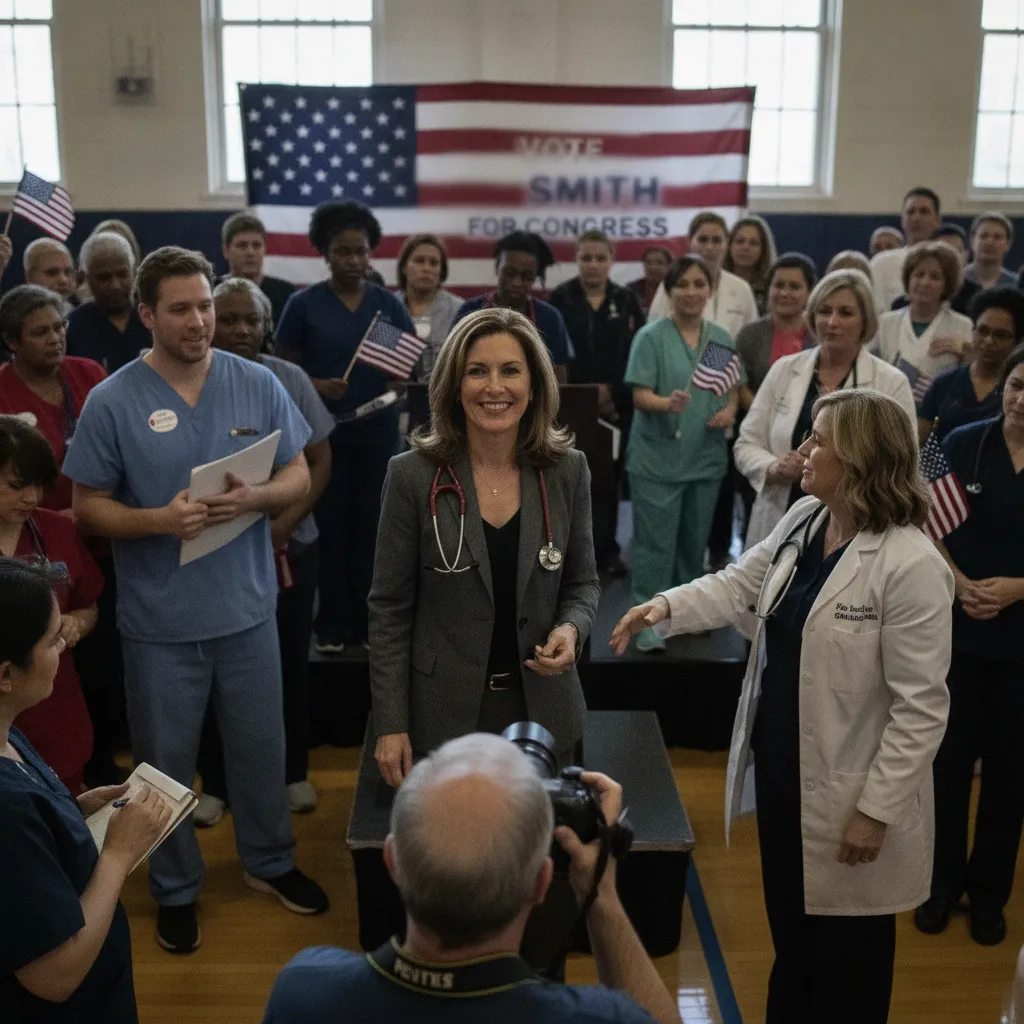
A surprising wave of medical professionals is hitting the campaign trail this election cycle, with at least 125 doctors, nurses, and public health experts appearing on ballots. This represents a significant departure from the traditional pipeline to power, which has long been dominated by lawyers and corporate executives. While legal degrees remain common in Washington, those with scientific or medical backgrounds have historically been rare, making up less than ten percent of the current Congress and an even smaller fraction of state legislatures.
Many of these candidates trace their political awakening back to the chaos of the pandemic. For some, the transition felt organic; they viewed the act of listening to a patient in pain and diagnosing a solution as fundamentally similar to solving societal problems through policy. Others were driven by frustration, witnessing firsthand how public health guidance was politicized or undermined. From pediatricians in South Carolina to preventative medicine specialists in Ohio, these professionals argue that their clinical experience makes them uniquely qualified to tackle healthcare costs and systemic inefficiencies.
This surge is being fueled by both personal conviction and organized effort. Groups like 314 Action report a massive spike in applicants seeking recruitment and training, while organizations like the American Medical Association continue to push for physician representation in government. The logic is simple: advocacy is most effective when the practitioners themselves are sitting at the decision making table rather than merely reacting to laws passed by people without medical training.
As voters grapple with rising healthcare expenses and conflicting information regarding science and safety, these candidates hope their expertise can provide a stabilizing force. Whether they are Republicans focusing on efficiency or Democrats fighting for expanded access, they share a belief that a data driven approach could potentially bridge partisan divides. In an era of deep political polarization, these healers are betting that their bedside manner might just translate into better governance.