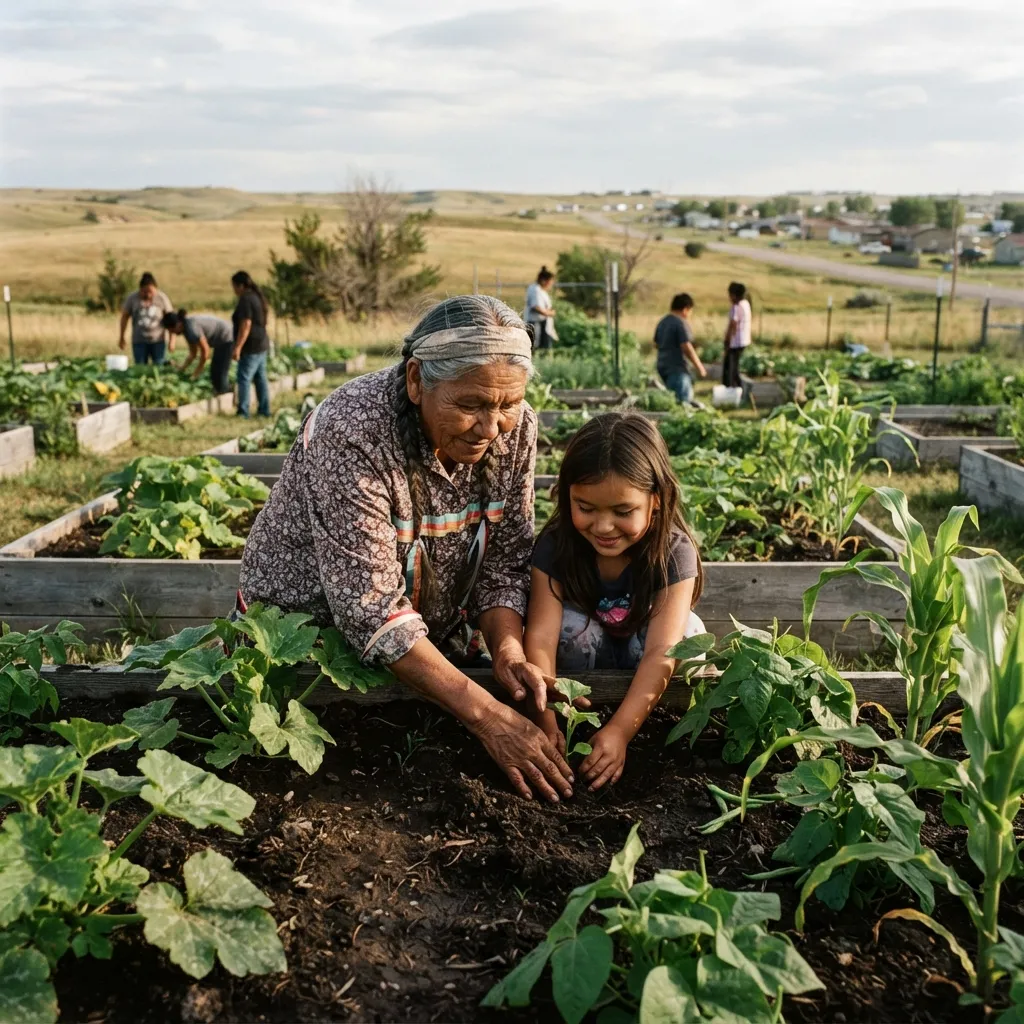
For many families living on the Rosebud Reservation in south-central South Dakota, a simple trip for groceries often requires a grueling drive of two hours or more. This geographic isolation creates a restrictive environment where residents have little say in the quality or variety of the food they bring home to their children. However, for the Sicangu Lakota Oyate, food represents far more than basic calories; it is a vital link to their land, their ancestors, and their collective identity. To bridge this gap, the Sicangu Food Sovereignty Initiative is working to indigenize the local food system and ensure that healthy, culturally meaningful nourishment is accessible to all.
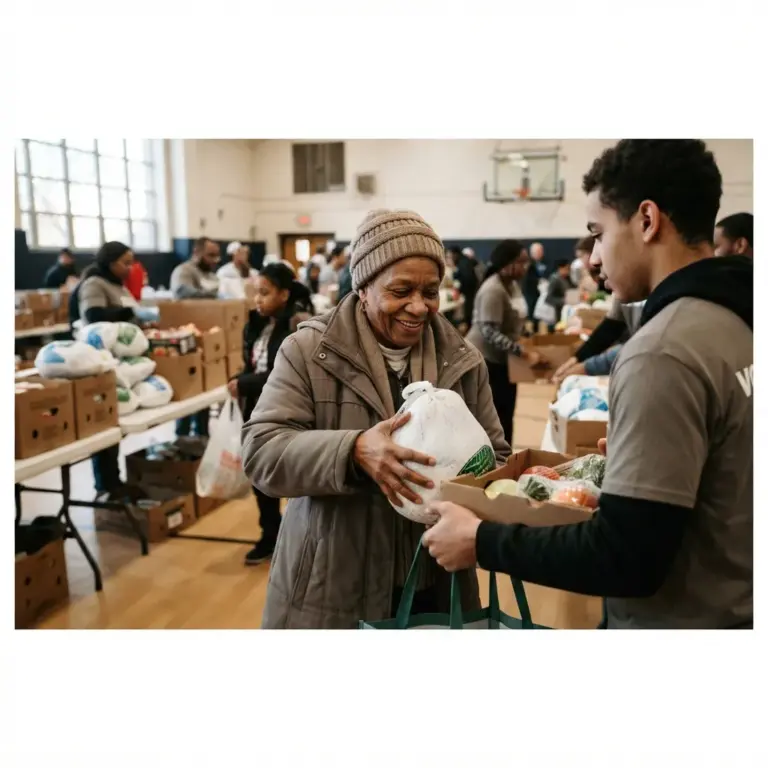
The impact of these efforts became clear in 2025 through the Relatives Feeding Relatives program, which distributed free boxes of fresh produce and traditional bison meat to over 2,000 families. Beyond immediate relief, the initiative is investing in long-term resilience by helping residents launch home gardens and expanding community agricultural plots. These programs aim to move the community away from dependence on distant stores and toward a sustainable model of self-reliance that honors indigenous farming practices and protects the sacred buffalo herds for future generations.
Recognizing that nutrition is fundamentally linked to medical outcomes, Sanford Health has partnered with the initiative since 2023. Natasha Smith, who leads Sanford’s health equity team, views food security as a cornerstone of healthcare, noting that lack of access to wholesome options directly correlates with poorer patient health. By providing financial and operational support, Sanford aims to act as an ally rather than a leader, acknowledging that the tribal community understands its own needs best. This collaboration extends into events like the annual Sicangu Food Sovereignty Summit in October, where participants engage in hands-on learning about native plants and fungi while sharing meals prepared with indigenous ingredients.
This partnership reflects a broader shift toward respecting tribal sovereignty within healthcare delivery. Johna Kern, Sanford’s head of Tribal health equity and experience, emphasizes that each nation possesses unique priorities and cultures that must be respected through genuine relationship-building rather than generic corporate outreach. While Karen Moore acknowledges that these challenges may take lifetimes to fully resolve, she believes that creating a localized food system is an essential step in leaving the world better for those who follow. For the people of Rosebud, reclaiming their diet is not just about physical health—it is about restoring a way of life.