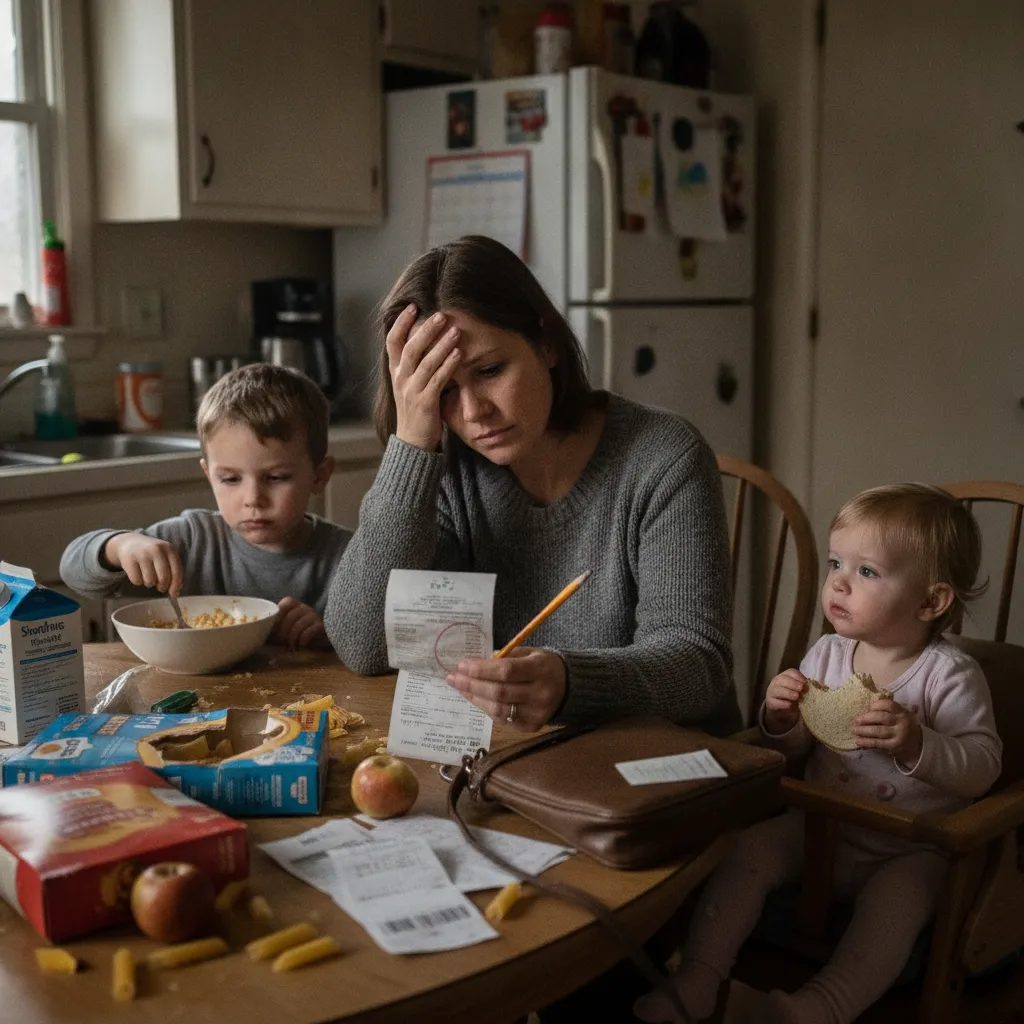
Rising costs at the checkout counter are doing more than just draining bank accounts; they are fueling a quiet crisis of food insecurity and psychological distress across American homes. A recent study from Penn State University reveals that the surge in grocery prices between 2020 and 2024, which climbed by more than twenty percent, has created a ripple effect that impacts far more than just the monthly budget. By analyzing data from the U.S. Census Bureau, researchers discovered that regardless of how people attempt to cope with inflation, the overarching trend remains an increase in food insufficiency and a decline in mental health.
The research highlights that households generally fall into one of four categories when dealing with these economic pressures. Some experience minimal change, while others become price sensitive shoppers who swap name brands for generics or cut back on dining out. More desperate measures are taken by comprehensive adjusters and resource strained sacrificers, who may delay necessary medical treatments, deplete their retirement savings, or even cut back on basic utilities like heat and electricity just to keep food on the table. Despite these varying tactics, none of these strategies acted as a true shield against the stress of rising costs.
Lead author Yizao Liu notes that these behavioral shifts should be viewed as red flags rather than successful adaptations. For instance, someone switching to cheaper stores might save money in the short term but often does so while grappling with heightened anxiety. Those making the most drastic sacrifices may show less movement in their anxiety levels simply because they were already living in a state of extreme vulnerability long before current inflationary trends began. This suggests that once a household reaches a certain level of fragility, further price hikes merely solidify their precarious position.
Because the struggle involves overlapping burdens of hunger, debt, and mental strain, researchers argue that traditional, isolated aid programs are no longer sufficient. Instead, they advocate for bundled support systems that combine food assistance with rent relief and mental health services to address the holistic nature of poverty during inflation. Moving forward, experts believe it is crucial to understand how families slide from simple substitutions into severe hardship to prevent more households from falling through the cracks of a volatile economy.